
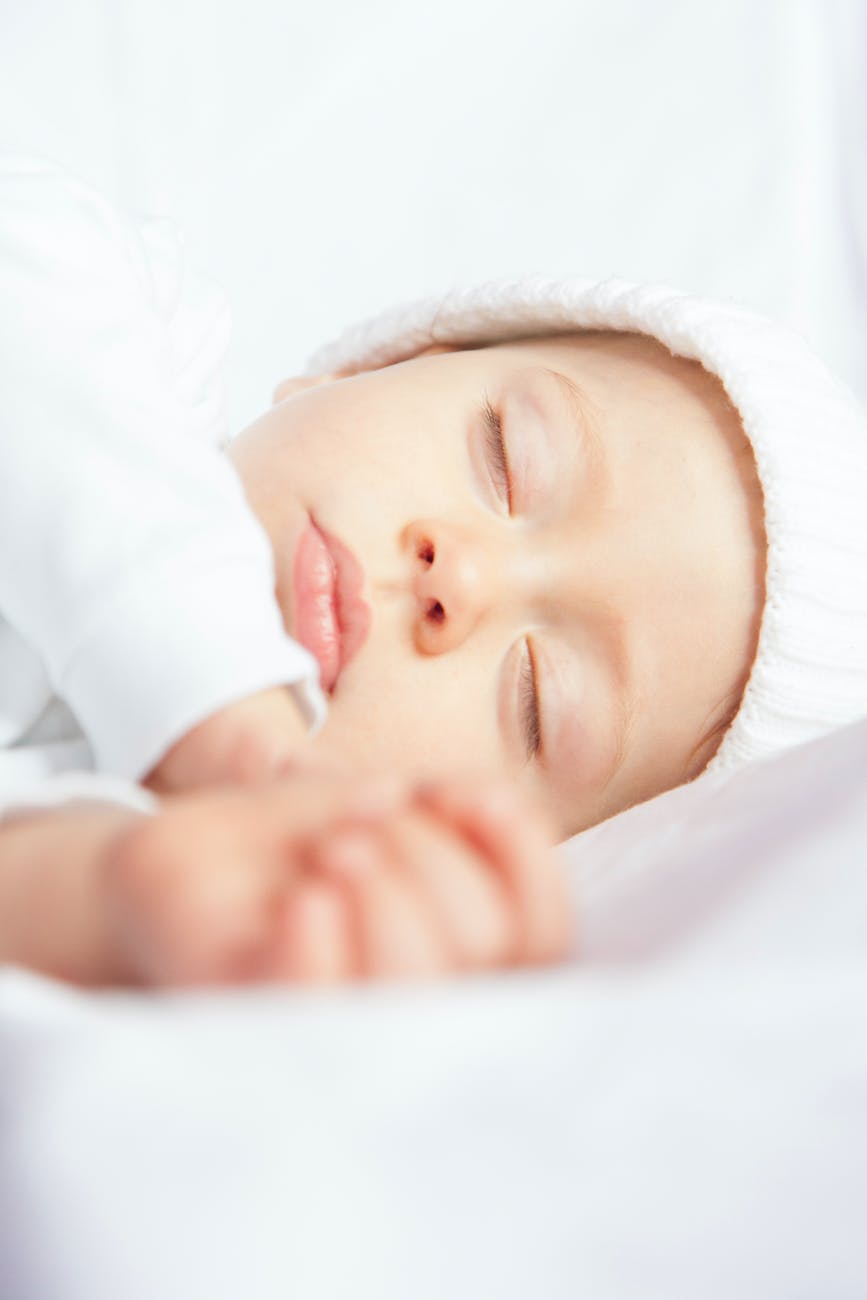
“I’ll sleep when I’m dead.” “Sleep is totally over rated anyway”
Ever said or heard either of these?
Life is so busy, and cramming in as much as you can is becoming the norm. Juggling work, family demands, social expectations and exercise commitments can become incredibly consuming and all of a sudden you’re getting the kids to bed and then staying up until midnight just to get stuff done. There’s also the box set where you absolutely have to watch the next episode and then the ‘I’ll just check my insta’ and all of a sudden it’s 12:30am and you’re wired, unable to sleep!
According to Colten et al. (2006), sleep is an essential component of health, and its timing, duration, and quality are critical determinants of health (1). Sleep may also play an important role in metabolic regulation, emotion regulation, performance, memory consolidation, brain recuperation processes, and learning (2) and therefore, because of the importance of these functions, sleep should be viewed as being as critical to health as diet and physical activity.
In other words, sleep also affects digestion and metabolism, and getting enough rest is central to weight maintenance and any efforts to improve gut function, lose weight, or prevent chronic diseases. Inadequate sleep may be sabotaging your efforts at getting healthy and losing weight and even someone who eats well and exercises regularly may be prone to health issues without enough sleep. Does this ring a bell?
Newer studies are strengthening known and suspected relationships between inadequate sleep and a wide range of disorders, including hypertension,3 obesity and type-2 diabetes,4 impaired immune functioning,5 cardiovascular disease and arrhythmias,6,7, mood disorders,8 neurodegeneration and dementia, 9,10 and even loneliness.11. How many times have you said, “I’m fine really, I just haven’t had enough sleep”, whilst sobbing into your coffee or gin?!
According to the health guru, Dr Mark Hyman, “One study found just one partial night’s sleep could create insulin resistance, paving the path for diabesity and many other problems.”Oh goodness, I’m fairly sure I should actually be diabetic by now with two out of four children that don’t sleep plus the late nights working/lambing or bingeing on the ‘The Last Kingdom’ box set and Utrid of Bebbanburg!
So how much sleep is enough?
After decades of investigation, it appears that scientists have gathered enough evidence to begin to answer that question.
“When duration of sleep drops below seven hours, and especially when it starts to move toward six and half hours or less, a number of different disorders begin to increase in prevalence,” says Dr. Dinges. 12. “Most experts would agree that there is a kind of sweet spot that most people should aim for, and for the average healthy adult that zone is ideally somewhere between 7 and 7 and a half hours.
Tips on getting more sleep:
- Get into a regular routine. Going to sleep and waking up at the same time each day creates a rhythm for your body.
- Leave your phone out of the room so that you’re not checking it in the night or reading it just before bed. The bright light can stimulate and disrupt brain activity and alter sleep hormones such as melatonin. Make your bedroom as peaceful and comfortable as possible and make sure the bed is just for sleep or romance!
- Get natural sunlight. I love this one. Being an avid outdoors type I truly believe in the benefits of being outdoors, breathing fresh air and getting some natural light (sunlight if possible!) on your skin! This will also help regulate sleep cycles and also make you feel so good about yourself. We are designed to be outdoors!
- Turn off all wifi and keep electronic devices out of the room. Electromagnetic frequencies can impair sleep. I’m a stickler for this and it really annoys my husband!
- Exercise in the evening? Ever done an exercise class and feel full of energy and like you can spring clean the house like a mad person afterwards? I feel like this after a kettlebell workout or run! If you’re thinking about your sleep then this probably isn’t the best evening class to do! Focus on deep breathing and stretching activities like yoga or my PSF class. Ones that encourage you to take more time on your body and slow your breathing down are excellent for a calm, relaxed approach to bed time and set you up for the evening beautifully.
- A note book by the bed. If you toss and turn and worry about life when you go to bed this one is for you. Either write a journal (a gratitude journal is a lovely positive way to end the day especially when it’s been a tough one), or a to do list for the next day. Maybe you’re worrying about all the things that need to be done. Write it down so that you can clear your mind and get some sleep.
- Cut out or at least reduce the caffeine. If you really aren’t ready to cut it out your system just yet then keep the caffeine for morning only. Caffeine is an hormonal disruptor and will prevent your sleep hormones from kicking in when they’re meant to. Drink more herbal teas such as chamomile, lavender or passionflower in the evening to guide your body towards sleep.
- A lovely epsom salt bath which is full of the relaxant magnesium is also a great way to relax – with a candle and a good book of course.
If you’ve read this far, well done and thank you! Please do leave me a comment!
Have a good sleep.
Love Annabel XX

REFERENCES;
- Colten HR, Altevogt BM, editors. Sleep disorders and sleep deprivation: an unmet public health problem. Institute of Medicine (US) Committee on Sleep Medicine and Research. Washington (DC): The National Academies Press; 2006
- 2. Siegel JM. Clues to the function of mammalian sleep. Nature 2005;437(7063):1264–71 10.1038/nature04285
- 2. Grandner M, Mullington JM, Hashmi SD, et al. Sleep duration and hypertension: Analysis of > 700,000 adults by age and sex. J Clin Sleep Med. 2018;14(6):1031–1039. doi: 10.5664/jcsm.7176. [PMC free article] [PubMed] [CrossRef] [Google Scholar]
- 3. Reutrakul S, Van Cauter E. Sleep influences on obesity, insulin resistance, and risk of type 2 diabetes [published online March 3, 2018] Metabolism. 2018;84:56–86. doi: 10.1016/j.metabol.2018.02.010. [PubMed] [CrossRef] [Google Scholar]
- 4. Watson NF, Buchwald D, Delrow JJ, et al. Transcriptional signatures of sleep duration discordance in monozygotic twins. Sleep. 2017;40(1) doi: 10.1093/sleep/zsw019. [PMC free article] [PubMed] [CrossRef] [Google Scholar]
- Gottlieb DJ, Somers VK, Punjabi NM, Winkelman JW. Restless legs syndrome and cardiovascular disease: a research roadmap [published online October 27, 2016] Sleep Med. 2017;31:10–17. doi: 10.1016/j.sleep.2016.08.008. [PMC free article] [PubMed] [CrossRef] [Google Scholar]
- May AM, Van Wagoner DR, Mehra R. OSA and cardiac arrhythmogenesis: mechanistic insights [published online September 29, 2016] Chest. 2017;151(1):225–241. doi: 10.1016/j.chest.2016.09.014. [PMC free article] [PubMed] [CrossRef] [Google Scholar]
- Lyall LM, Wyse CA, Graham N, et al. Association of disrupted circadian rhythmicity with mood disorders, subjective wellbeing, and cognitive function: a cross-sectional study of 91 105 participants from the UK Biobank [published online May 15, 2018] Lancet Psychiatry. 2018;5(6):507–514. doi: 10.1016/S2215-0366(18)30139-1. [PubMed] [CrossRef] [Google Scholar]
- Pillai JA, Leverenz JB. Sleep and neurodegeneration: a critical appraisal [published online January 10, 2017] Chest. 2017;151(6):1375–1386. doi: 10.1016/j.chest.2017.01.002. [PubMed] [CrossRef] [Google Scholar]
- Sprecher KE, Koscik RL, Carlsson CM, et al. Poor sleep is associated with CSF biomarkers of amyloid pathology in cognitively normal adults [published online July 5, 2017] Neurology. 2017;89(5):445–453. doi: 10.1212/WNL.0000000000004171. [PMC free article] [PubMed] [CrossRef] [Google Scholar]
- Ben Simon E, Walker MP. Sleep loss causes social withdrawal and loneliness. Nature Communications. 2018;9:3146. Available at: https://www.nature.com/articles/s41467-018-05377-0. [PMC free article] [PubMed] [Google Scholar]
- Basner M, Dinges DF. Sleep duration in the United States 2003–2016 first signs of success in the fight against sleep deficiency? Sleep. 2018;41(4) doi: 10.1093/sleep/zsy012. [PubMed] [CrossRef] [Google Scholar]
 Annabel Webb - movement and nutritional motivation!
Agree entirely about keeping moving.
LikeLiked by 1 person
And must sleep more! 😉 x
LikeLike